

Okay, so.
I was at brunch last Sunday when my friend cut me off mid-sentence with: “I need you to hold space for me right now.”
We were talking about her Hinge date. Not trauma, not life-or-death stuff—just a mediocre first date where the guy ordered a salad. And suddenly, I’m being asked to “hold space” like I’m her licensed therapist instead of her friend enjoying eggs benedict.
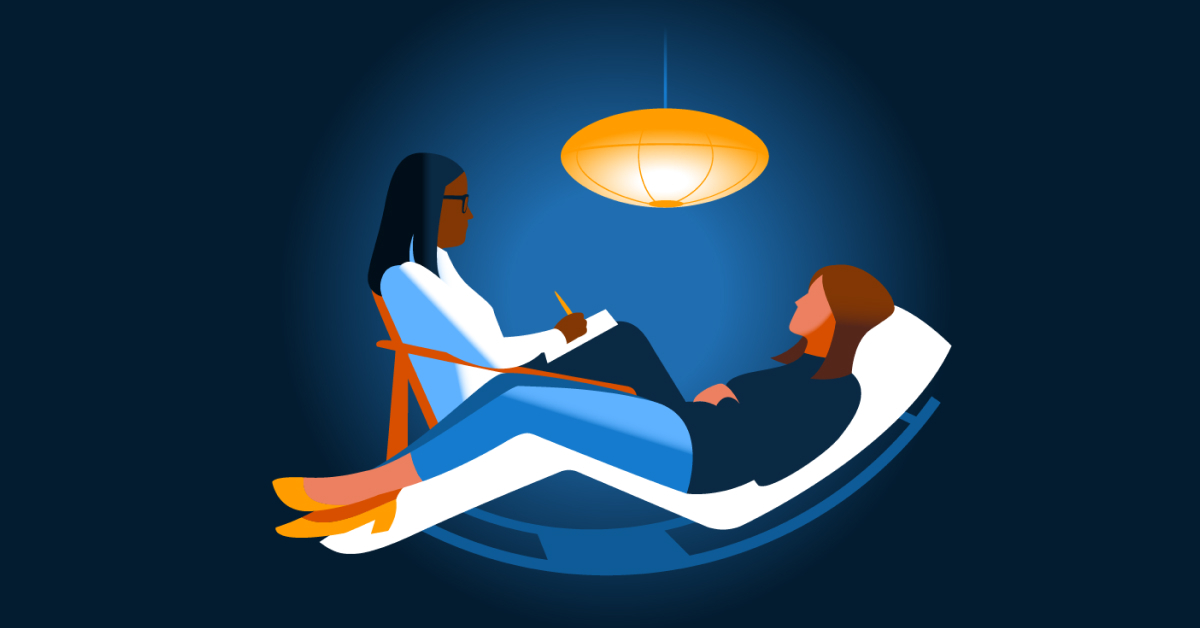
That’s when it hit me—we’ve all become walking therapy sessions. And honestly? It’s getting weird.
The Rise of Therapy Speak (And Why We Can’t Stop Using It)
Mental health awareness is amazing. We’ve come far from the days when talking about feelings was “weak.” But somewhere along the way, therapy language escaped the therapist’s office.
- Everyone’s suddenly got boundaries.
- Everything’s “triggering.”
- We’re all processing trauma while waiting in line at Whole Foods.
Some of this language is helpful—but when your coworker cancels a 2pm meeting because she’s “protecting her energy,” maybe we’ve gone too far.
The Buzzwords That Have Lost All Meaning
Gaslighting
- Real: Psychological manipulation making someone question reality.
- Misuse: “My boyfriend said he texted me back—he’s gaslighting me!” No babe, he probably forgot.
Trauma
- Real trauma is serious.
- Misuse: “Bad haircut” or “show cancelled” trauma. Actual PTSD sufferers cringe.
Boundaries
- Real: Setting limits to protect mental health.
- Misuse: “I have a boundary around negative energy”—more like avoiding your friend’s bad day.
Narcissist
- Real: Narcissistic Personality Disorder is clinical.
- Misuse: Every ex, boss, or girl who ignored a text suddenly gets labeled.
When Self-Care Becomes Self-Obsession
Therapy speak culture can create self-centered behavior disguised as self-care:
- “I can’t help you move this weekend, I’m setting boundaries.”
- “I forgot your birthday because I’m focusing on myself.”
- “I can’t apologize; it would betray my authentic self.”
Sometimes it’s just selfishness labeled as therapy.
The Social Media Effect
TikTok therapy trends have people self-diagnosing complex conditions in 60 seconds.
- Attachment styles
- Personality disorders
- Neurodivergence
Helpful creators exist—but for every licensed therapist, there are ten unqualified voices simplifying mental health into buzzwords.
What Therapists Think
Therapy language is meant for clinical settings. Misusing it:
- Dilutes real trauma
- Minimizes actual diagnoses
- Blurs lines between discomfort and distress
The Accountability Problem
Therapy speak can excuse bad behavior:
- “I ghosted you because I was protecting my peace.”
- “I lied because I have trauma around confrontation.”
- “I can’t commit because of attachment wounds.”
Growth = self-awareness + responsibility. Therapy language without accountability = excuses with fancy words.
How to Use Mental Health Language Responsibly
- Save clinical terms for clinical situations.
- Discomfort ≠ trauma. Not everything uncomfortable is harmful.
- Boundaries protect, not control.
- Context matters. Therapy language in therapy; not at happy hour.
- Balance self-care with caring for others.
Finding the Balance
Mental health awareness is vital—but not every moment is a therapy session.
- Not triggered? Maybe just hungry.
- Not gaslighting? Maybe miscommunication.
- Normal bad mood ≠ mental health crisis.
We can care about mental health without obsessing over buzzwords.
The Real Work of Healing
Therapy speak is widespread, but actual therapy remains hard to access:
- Insurance limitations
- Long waitlists
- High costs
Vocabulary without context = awareness without tools. Real healing requires:
- Sitting with difficult feelings
- Understanding patterns
- Taking actionable steps
Sometimes the most healing thing? Not talking about it for five minutes and just living your life.
So What Now?
- Pause before calling something toxic, gaslighting, or traumatic.
- Check your boundaries—are they genuine or avoidance?
- Don’t self-diagnose or diagnose based on social media.
Support each other’s mental health without performing therapy on each other. Heal without making it everyone else’s problem.
Bottom line: Keep mental health awareness. Lose the therapy speak obsession. Because analyzing every interaction through a psychological lens? Not great for anyone’s mental health.
Okay, rant over. Now if you’ll excuse me, I need to protect my energy by doom-scrolling TikTok for three hours. It’s self-care, look it up. 😏