

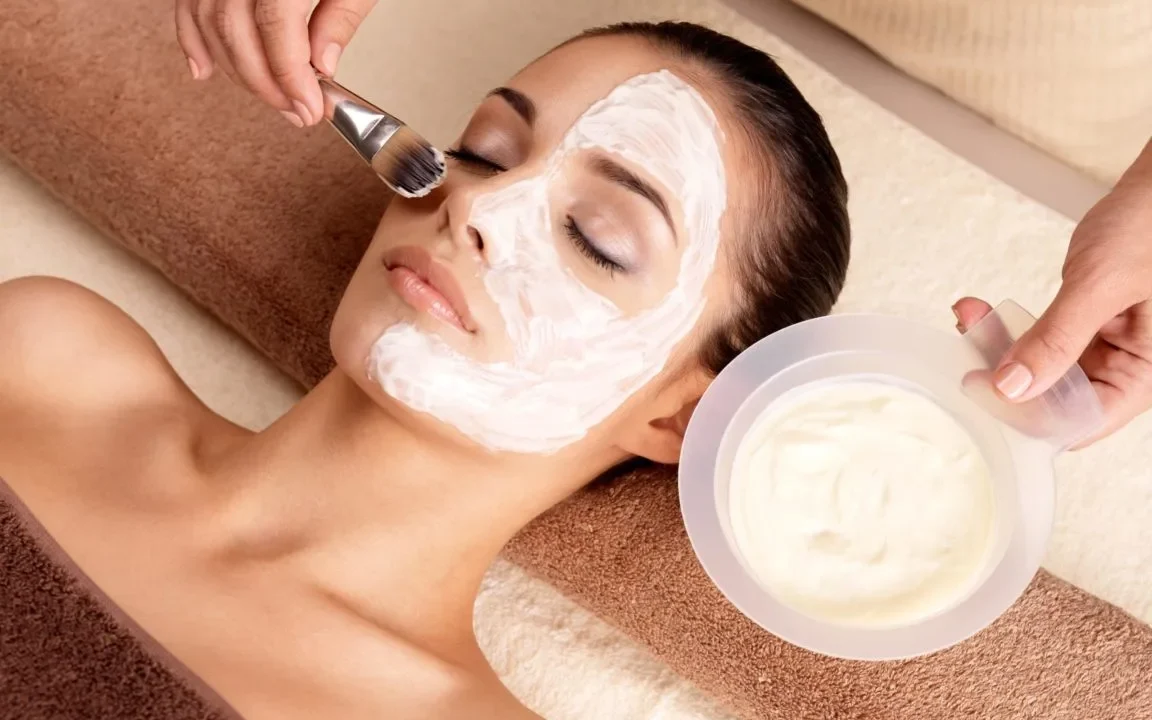
Last month, I spent $300 at the dermatologist for a 45-minute facial. Was it worth it? Absolutely. Sustainable for my wallet? Absolutely not.
So, like any rational human, I dove into the world of at-home professional skincare. Some treatments were surprisingly effective; others… well, my skin did not approve. Here’s what actually delivered results.
LED Masks: Surprisingly Effective
I was skeptical. They look ridiculous, they’re expensive, and I thought it was just fancy light therapy hype.
Two weeks with a borrowed LED mask changed my mind. Redness? Gone. Forehead bumps? Significantly improved.
How it works:
- Red light helps with inflammation and collagen production.
- Blue light targets acne-causing bacteria.
Pricey? Good ones start around $200. But if you spend that monthly on facials, the math checks out.
Microcurrent Devices: Subtle Lift at Home
Curious about celebrity devices promising “instant facelift” vibes, I tried an affordable microcurrent tool.
- Results: Noticeably defined jawline and higher cheekbones after three weeks.
- Consistency is key: Miss a week and results fade.
- Pro tip: Always use conductive gel. Moisturizer alone won’t cut it.
Think of it like a gym session for your face. Regularity matters more than intensity.
At-Home Chemical Peels: Gentle but Powerful
Dermatologist peels cost $150–$500; at-home versions are $30. I started with a gentle lactic acid peel once a week.
- Results: Smoother skin texture, better foundation application.
- Caution: Follow instructions exactly. Even a minute too long can cause redness and irritation.
Professional-grade ingredients demand respect.
Dermaplaning: Scary But Worth It
Salon dermaplaning costs $75–$150. I bought the proper tools and watched dozens of tutorials before trying.
- Results: Peach fuzz gone, makeup glides on, skin feels smooth.
- Tips: Light pressure, skin taut, short strokes. Easy once fear is managed.
- Frequency: Every 3–4 weeks.
What Didn’t Work
- Jade rollers: Cute, relaxing, zero real results.
- At-home microneedling: Too risky without professional supervision.
- Suction blackhead devices: Red marks, worse-looking pores, kind of gross.
Vitamin C Serums: Affordable Brightness
Professional treatments can cost $200+; at-home serums run $25–$40.
- Results: Brighter complexion, fading dark spots, more even tone.
- Tips: Look for stable formulas in dark bottles or airless pumps; refrigerate to extend shelf life.
Retinol: Patience Pays Off
- Start slow: Low percentage 2x/week, gradually increase.
- Results after 3 months: Reduced fine lines, smoother texture, fewer forehead bumps.
- Caution: Purging phase is real—resist quitting early.
Hydration Hack: Mimic the Facial Glow
Most professional glow comes from hydration: hyaluronic acid, moisturizer, facial oil layering.
- Results: Plump, radiant skin; better foundation application.
- Cost: ~$60 for months of hydration, versus $150+ per facial.
Key Takeaways
- Devices like LED masks and microcurrent tools are worth it if used consistently.
- Chemical exfoliants and retinol deliver results with patience and caution.
- Needles, lasers, or risky treatments? Leave to professionals. Safety first.
- Consistency beats expensive one-off treatments.
My Current At-Home Routine
Weekly: Dermaplaning (if needed), gentle chemical peel, LED mask
Daily: Vitamin C serum (AM), retinol (PM), layered hydration routine
Monthly: Microcurrent device sessions
Cost: ~$100/month vs. $500+ at professional clinics
Bottom Line
Professional facials are lovely, but maintaining results at home is empowering and cost-effective. A mix of at-home maintenance and quarterly professional treatments keeps skin at its best. Consistency, patience, and respecting the limits of DIY treatments are key.
Would I go back to monthly facials if money weren’t an issue? Sure. But now I know I don’t have to, and my skin looks amazing in between.